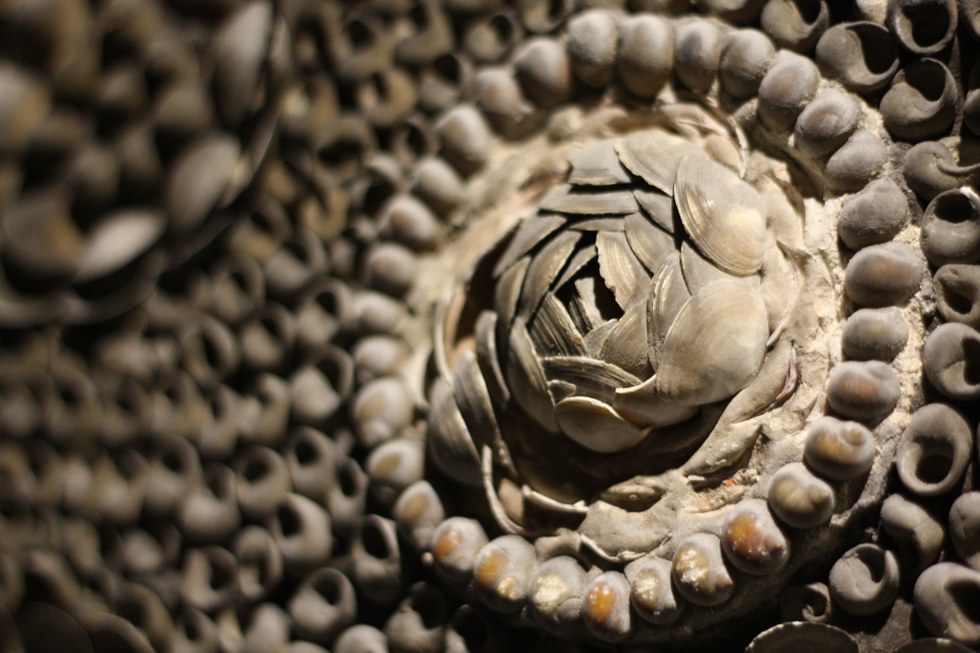
In an unassuming corner of Margate, Kent in England is a spectacular series of underground passageways covered in millions of seashells. The Margate Grotto was discovered in 1835, but it is still unknown how old the grotto really is, or who built it.
Ancient Roman temple, a rich aristocrat’s folly, or a secret Knights Templar construction? Here is a look at the mysterious Margate Grotto.
Shell Grotto
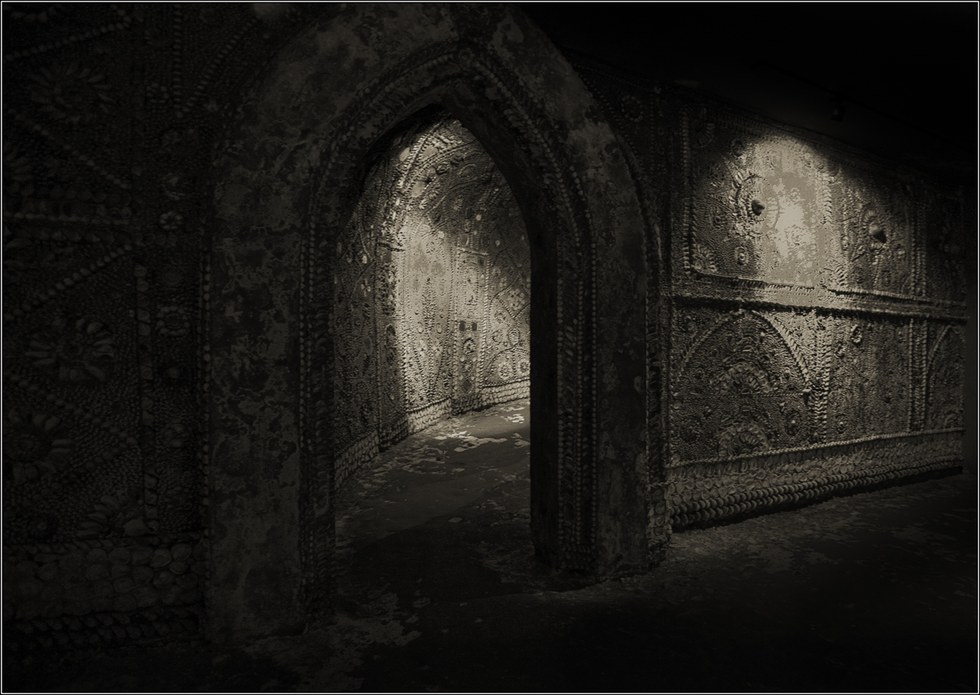
Located in Margate, Kent in Southeast England, the ornate subterranean passageway is almost completely covered in mosaics created entirely of seashells, totaling about 4.6 million shells.The grotto was discovered under a field in 1835 by James Newlove, a schoolteacher, with the first mention of it appearing in an article in the Kentish Gazette in 1838, announcing its forthcoming opening as a public attraction.
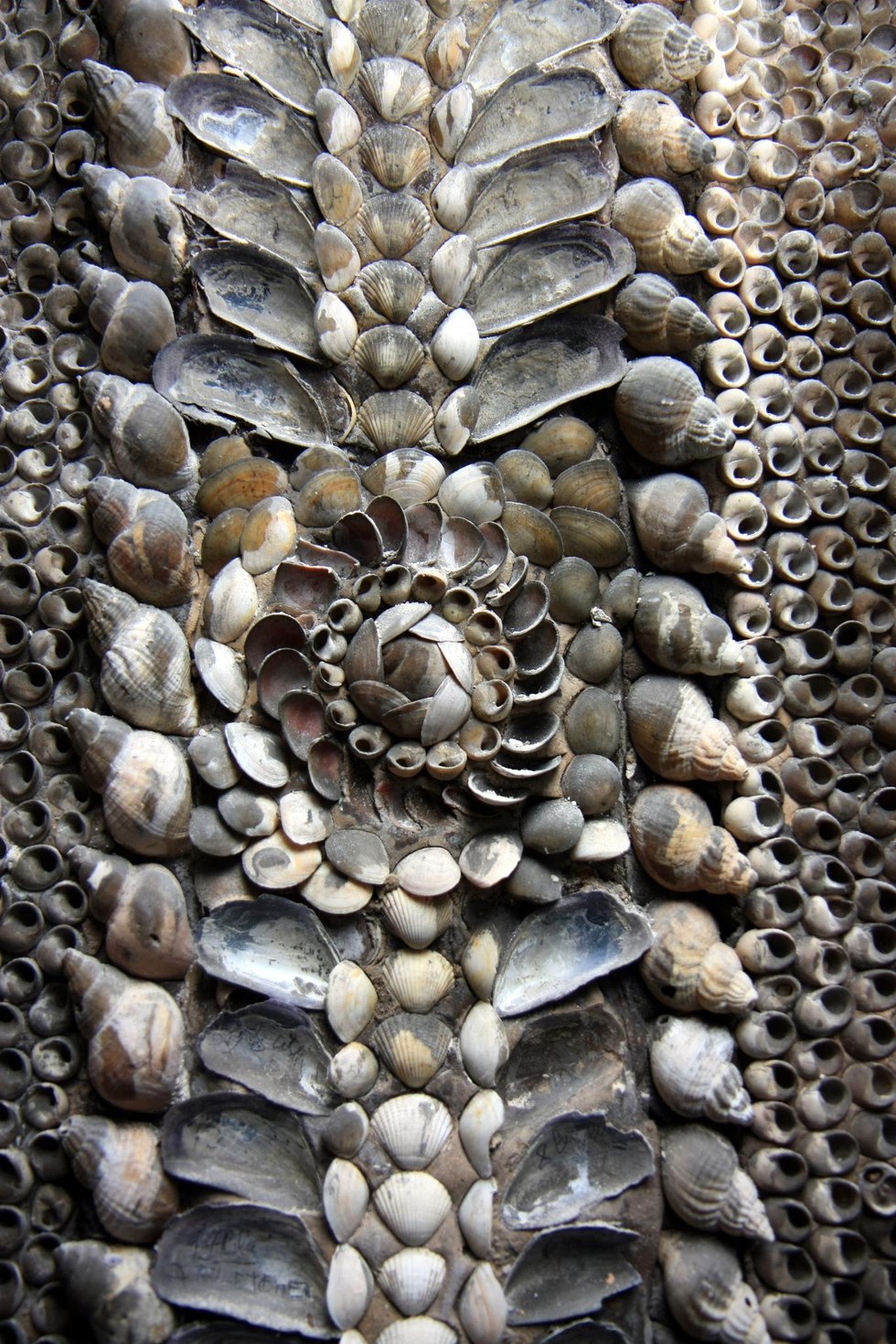
The exact age and purpose of the grotto remain unknown. Some have speculated that it served as a hideaway for smugglers, as all the shells—mussels, cockles, whelks, limpets, scallops, and oysters—are English in origin, though it’s unclear if smugglers would have time to decorate the walls. Others believe the grotto was a prehistoric construction built either as an astronomical calendar or a funerary building.
Seashell-decorated grottoes were popular among European nobility during the 1700s. Many believe the Margate grotto was built by an English nobleman who returned from seeing such an installation abroad, and wanted one of his own. Such displays of wealth and opulence were often meant to impress guests, however, making the secret location of the Margate grotto away from any large estates puzzling.
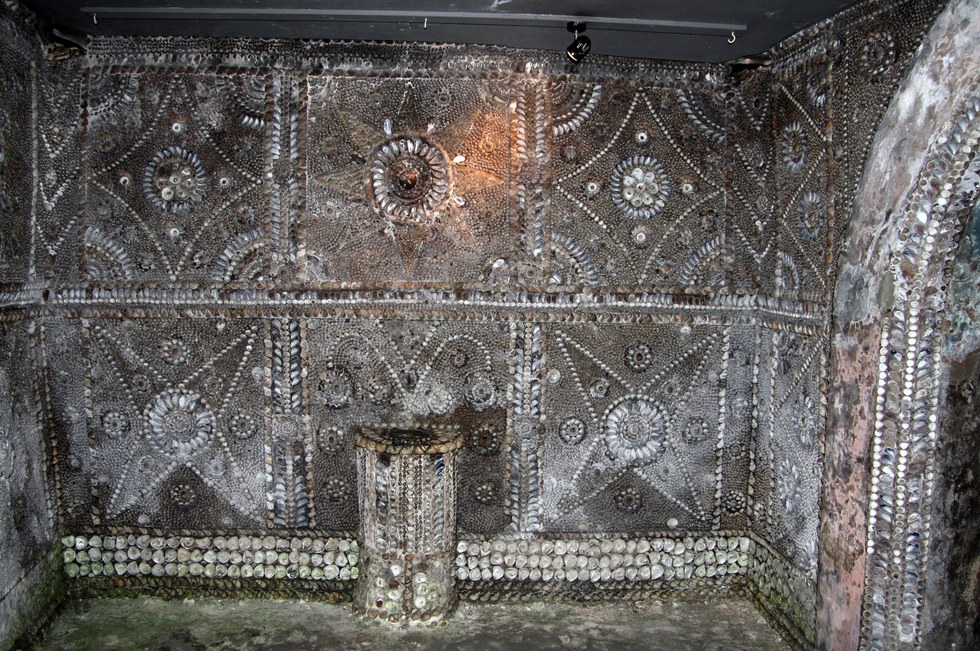
The grotto would also have taken considerable manpower to construct, with locals needed to transport and place all the millions of shells. No historical records mention any such project, however.Some believe the grotto may be a Roman construction, though again there is little substantial evidence to support the theory.The grotto changed owners in 1932, and has remained in private ownership ever since, with the new owner installing cleaner electric lighting and undertaking cleaning of the shells over the years.
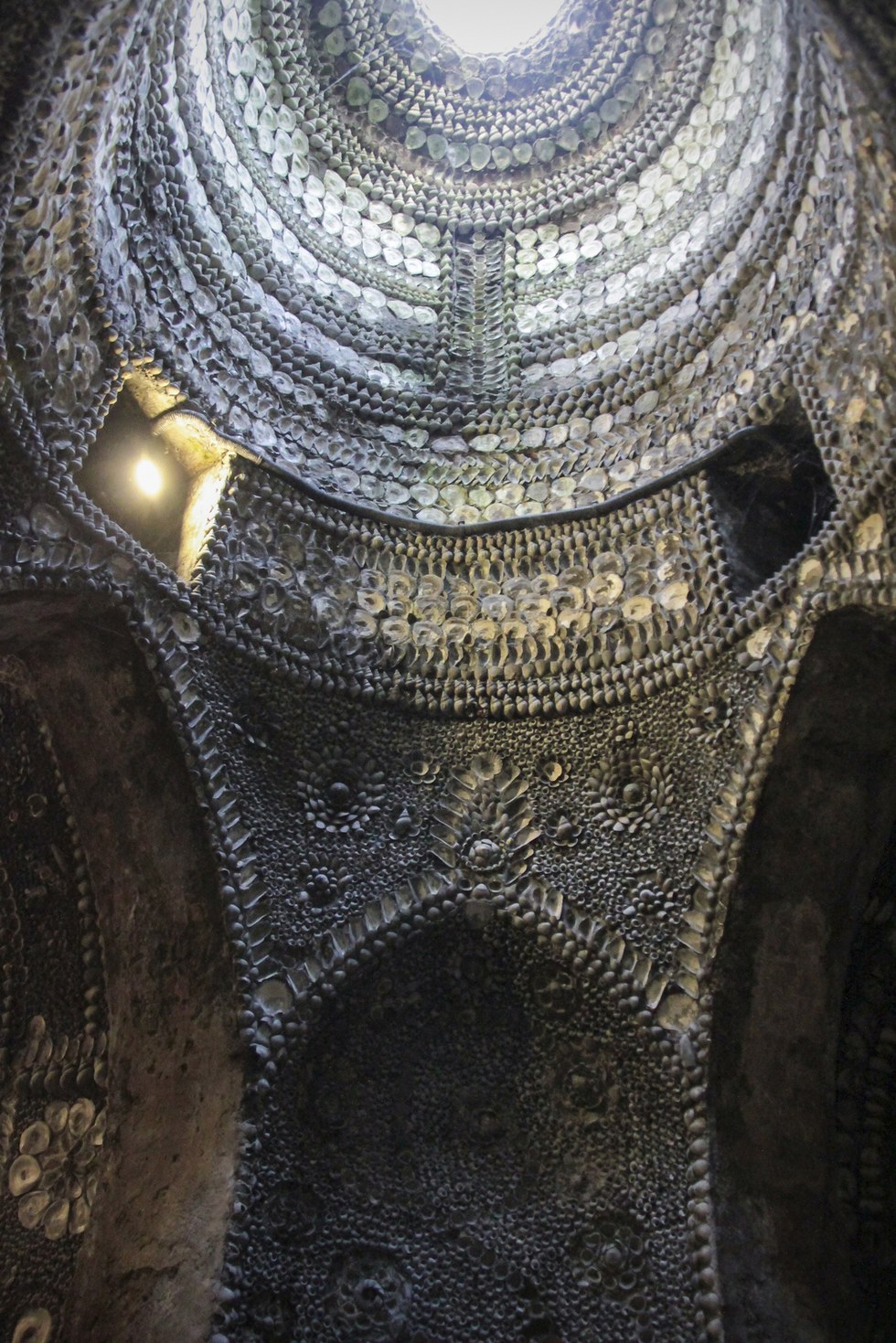
Mick Twyman of the Margate Historical Society recently put forward the hypothesis that the grotto was built by the Knights Templar sometime in the 1100s, based on an analysis of the angles used in its construction, as well as the appearance of several altars inside.It has been suggested that the shells in the grotto be carbon dated to determine their origin, but work has been delayed since a large number of shell samples would be needed to weed out the earliest shells from those used in restorations.
Various restoration work has been done on the grotto over the years, as it has suffered the effects of water penetration. The previous gas lighting also stained many of the shells with soot. In 2008, the non-profit Friends of the Shell Grotto were formed to help conserve and preserve the grotto as a unique historical monument.