
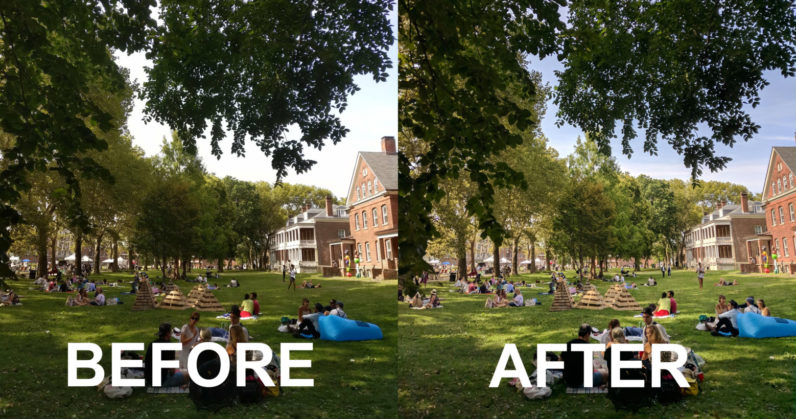
As first reported by XDA, an enterprising developer named B-S-G has ported the Pixel’s camera software to work on virtually any phone running a Snapdragon 820, 821, or 835. That means the vast majority of flagship devices released in the US since 2016. You can read XDA’s post on the most recent update to the port, or download the APK file directly here.
Keep in mind you’ll have to enable apps from unknown sources in order to install the APK. While XDA says its tested the file to make sure it’s safe, you’re still installing at your own risk.
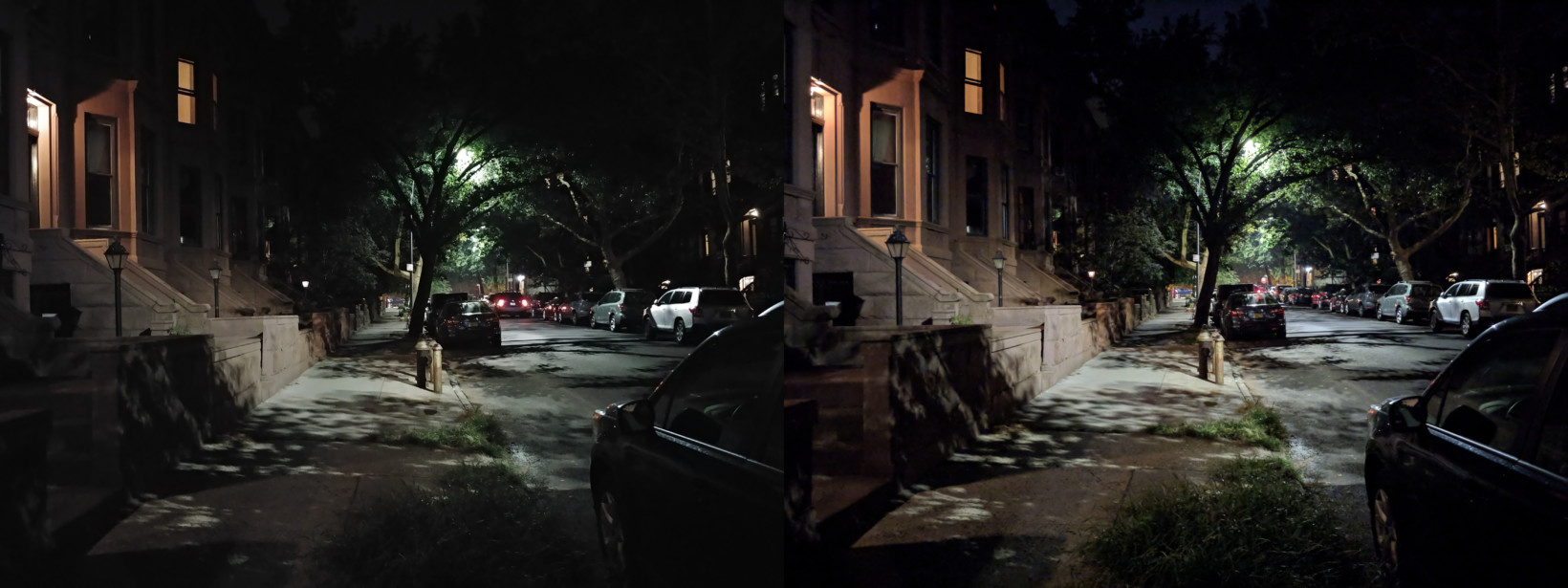
On the phones I tested, the improvements ranged from minor to shocking, and, more importantly, Google’s camera was rarely worse than the stock app. And I’ve tried quite a few phones, though I spent most of the time testing with Samsung’s S8, a pre-production LG V30, and the Essential Phone. I’ve also tested HTC’s U11 a bit, which has the same sensor as the Pixel, but adds optical image stabilization and a faster aperture. The HTC U11’s better hardware puts it on par with the Pixel in most cases, but using the Google’s own Camera app makes it even better.
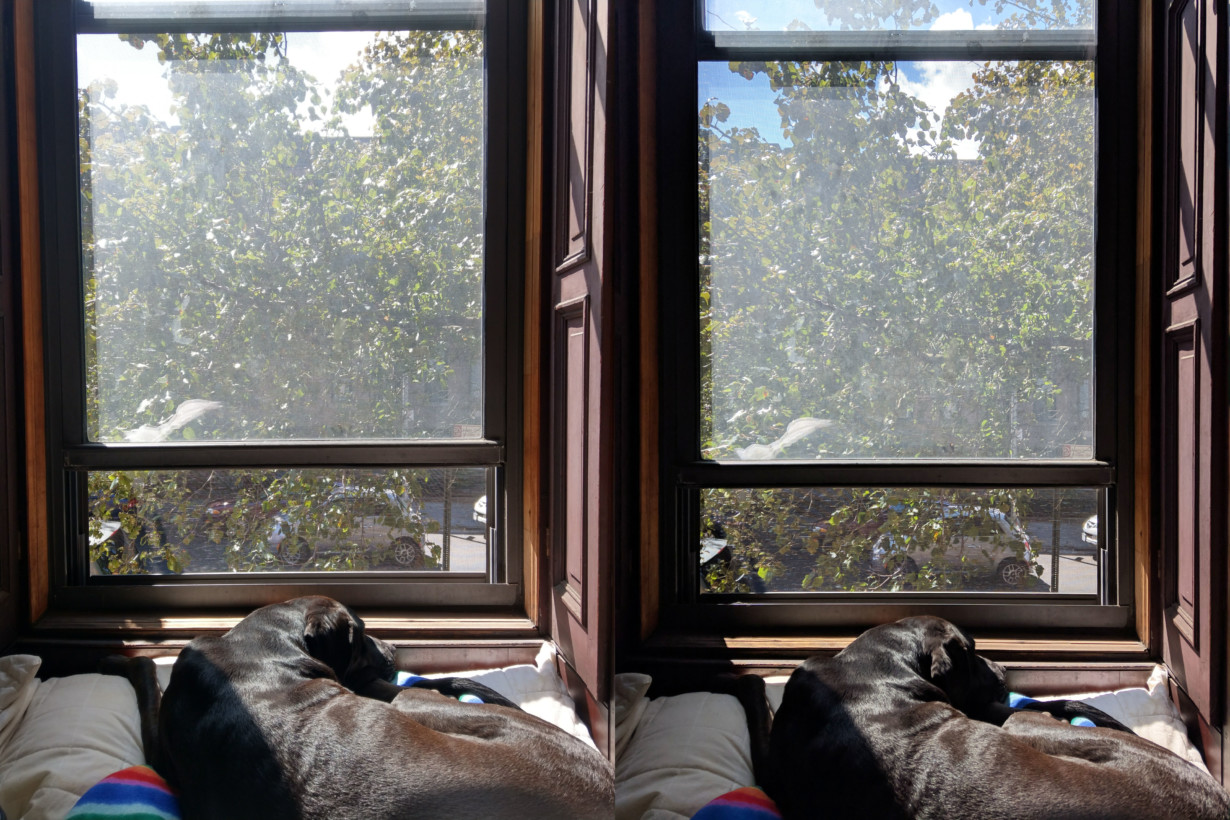
There are a few caveats. It’s tweaked software, so you may encounter some bugs. You will have to switch back to your manufacturer’s camera for any custom features, and HDR+ only works on the main rear camera. You’re out of luck if you want to use the wide angle camera on the V30 or the telephoto on on the OnePlus 5, for instance. And it’s not always better; Google’s Camera isn’t optimized for non-Google devices, so there are occasionally strange artifacts like the extra graininess and flare on the S8.
Still, it’s a general improvement across the board, and I can only hope Google opens up its processing to other devices. If you’ve been unhappy with your cell phone camera, it’s at least worth a shot.

