by james paslis | Dec 1, 2017 | Uncategorized, Κόσμος, Συσκευές
With the announcement of Android 8 Oreo, Google also launched Play Protect — a new program that is there to perform periodic checks of the software that’s on your phone and the apps that are in the Play Store, looking for evil-doing malware. Recently, Google found a family of spyware apps that sound really, really scary.
The apps were all carriers of the Tizi backdoor — a piece of malware, which has been around since 2015. Through exploits in the Android operating system, Tizi was able to gain root access to the device and snoop about the user’s pictures, phone log, and chat logs for popular apps, such as Facebook, WhatsApp, Viber, and even the encrypted messaging service Telegram! Additionally, it could send out an SMS message with the device’s GPS coordinates, take photos with the phone’s camera and even record audio with its microphones.
Yeah, that sounds scary. The good news is that the exploits that Tizi was using have been patched long ago, with the April 2016 Android security patch. The bad news is that, as we know, there are millions of older Android phones out there that just don’t get updates.
According to Google’s data, Tizi apps were mostly downloaded by users in Kenya. A very small percentage of US users also got them. After discovering the exploit, Google deleted the apps, suspended the developers’ accounts, and sent a warning message to all devices that were presumed infected. Google Play Protect has also been updated to more effectively detect Tizi-based malware.
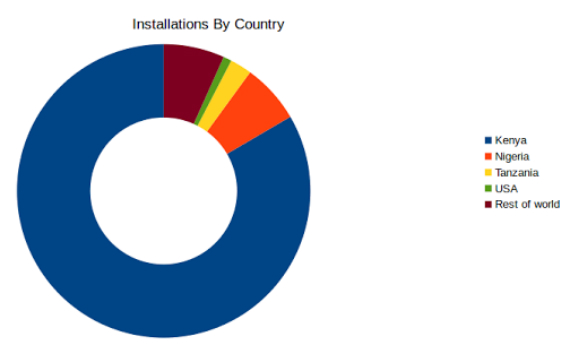
Σύμφωνα με τα δεδομένα της Google, τα Tizi apps είχαν τα περισσότερα downloads στην Κενύα, ένα πολύ μικρό ποσοστό σχετίζεται με τις ΗΠΑ και τον υπόλοιπο κόσμο. Αφού ανακάλυψε το exploit, η Google διέγραψε τις εφαρμογές, ανέστειλε τους λογαριασμούς των developers και έστειλε ένα προειδοποιητικό μήνυμα σε όλες τις συσκευές που θεωρήθηκαν μολυσμένες. Το Google Play Protect έχει επίσης ενημερωθεί για την αποτελεσματικότερη ανίχνευση κακόβουλου λογισμικού που βασίζεται στο Tizi.

by james paslis | Nov 27, 2017 | Κόσμος, Συσκευές
Η μοντέρνα Virtual Reality αναμένεται να αποκτήσει την αίσθηση της όσφρησης πέρα από εκείνη της ακοής και της όρασης.
Η απτική ανατροφοδότηση της αφής παραμένει ένας από τους απόλυτους στόχους των επιστημόνων που ασχολούνται με την Virtual Reality, αλλά η πραγματική επανάσταση στο χώρο της εικονικής πραγματικότητας αναμένεται να έρθει από τη… μύτη μας. Μεταδιδακτορικοί ερευνητές στο Πανεπιστήμιο του Στάνφορντ εξετάζουν το ενδεχόμενο και τους τρόπους με τους οποίους μπορεί να γίνει πραγματικότητα η εμφάνιση λειτουργιών όσφρησης σε περιβάλλον εικονικής πραγματικότητας.
Στην ιστορία της Virtual Reality έχουν γίνει αρκετές προσπάθειες προκειμένου να εμφανιστεί η αίσθηση της όσφρησης, αλλά αυτό δεν είχε γίνει εφικτό μέχρι σήμερα. Ήδη έχουν κάνει την εμφάνισή τους papers τα οποία αναφέρονται στο πώς θα μπορούσε να αλλάξουν οι διατροφικές συνήθειες ενός ατόμου με τη χρήση ενός κράνους εικονικής πραγματικότητας το οποίο θα έχει την ανάλογη τεχνολογία ώστε να προσφέρει στοιχεία όσφρησης σε όποιον το φορά.
Οι επιστήμονες που ασχολούνται με παρόμοια project επισημαίνουν ότι έχουμε μπει σε μια εποχή ευρύτερης χρήσης της τεχνολογίας της Virtual Reality που την καθιστά περισσότερο κοινό τόπο από το παρελθόν με συνέπεια να μπορεί να αναπτυχθεί περαιτέρω, ακόμα και σε τομείς που μέχρι σήμερα φάνταζαν ως ένα έργο επιστημονικής φαντασίας.
by james paslis | Sep 10, 2017 | Κόσμος, Συσκευές
As first reported by XDA, an enterprising developer named B-S-G has ported the Pixel’s camera software to work on virtually any phone running a Snapdragon 820, 821, or 835. That means the vast majority of flagship devices released in the US since 2016. You can read XDA’s post on the most recent update to the port, or download the APK file directly here.
Keep in mind you’ll have to enable apps from unknown sources in order to install the APK. While XDA says its tested the file to make sure it’s safe, you’re still installing at your own risk.

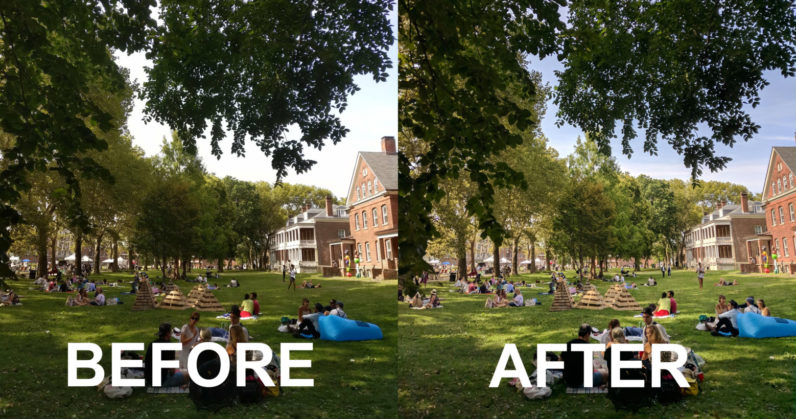
On the phones I tested, the improvements ranged from minor to shocking, and, more importantly, Google’s camera was rarely worse than the stock app. And I’ve tried quite a few phones, though I spent most of the time testing with Samsung’s S8, a pre-production LG V30, and the Essential Phone. I’ve also tested HTC’s U11 a bit, which has the same sensor as the Pixel, but adds optical image stabilization and a faster aperture. The HTC U11’s better hardware puts it on par with the Pixel in most cases, but using the Google’s own Camera app makes it even better.

There are a few caveats. It’s tweaked software, so you may encounter some bugs. You will have to switch back to your manufacturer’s camera for any custom features, and HDR+ only works on the main rear camera. You’re out of luck if you want to use the wide angle camera on the V30 or the telephoto on on the OnePlus 5, for instance. And it’s not always better; Google’s Camera isn’t optimized for non-Google devices, so there are occasionally strange artifacts like the extra graininess and flare on the S8.
Still, it’s a general improvement across the board, and I can only hope Google opens up its processing to other devices. If you’ve been unhappy with your cell phone camera, it’s at least worth a shot.


