
There were an estimated 150 glaciers in Montana’s Glacier National Park in 1910, when President Taft signed into law the bill dedicating the park. Today there are fewer than 30, and those that remain are shrinking.
As global surface temperatures rise, sometimes rapidly, glaciers like those in Glacier National Park are melting and disappearing. The park is in danger of losing its identity as well as its ice, and it may have consequences beyond losing a few photo ops.
Grinnell Glacier
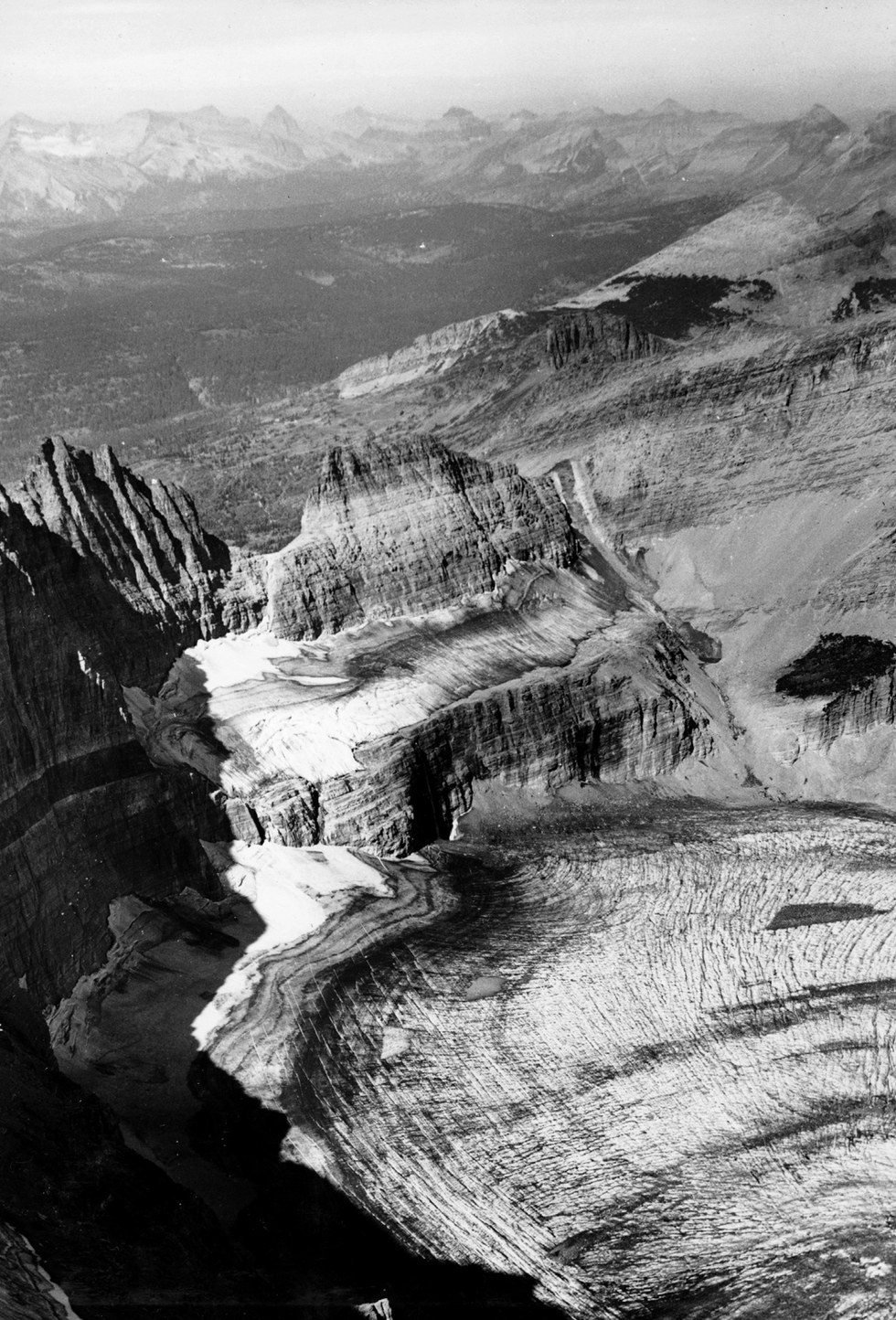 One of the park’s larger glaciers, Grinnell Glacier is one of the most photographed locations in the park. Between 1966 and 2005, Grinnell has lost almost 40 percent of its acreage, which once measure 710 acres. Although glaciers like those in Glacier National Park naturally move through periods of retreat and growth over decades and centuries, scientists say levels of retreat have atypically accelerated since the 1980s.
Grinnell Lake
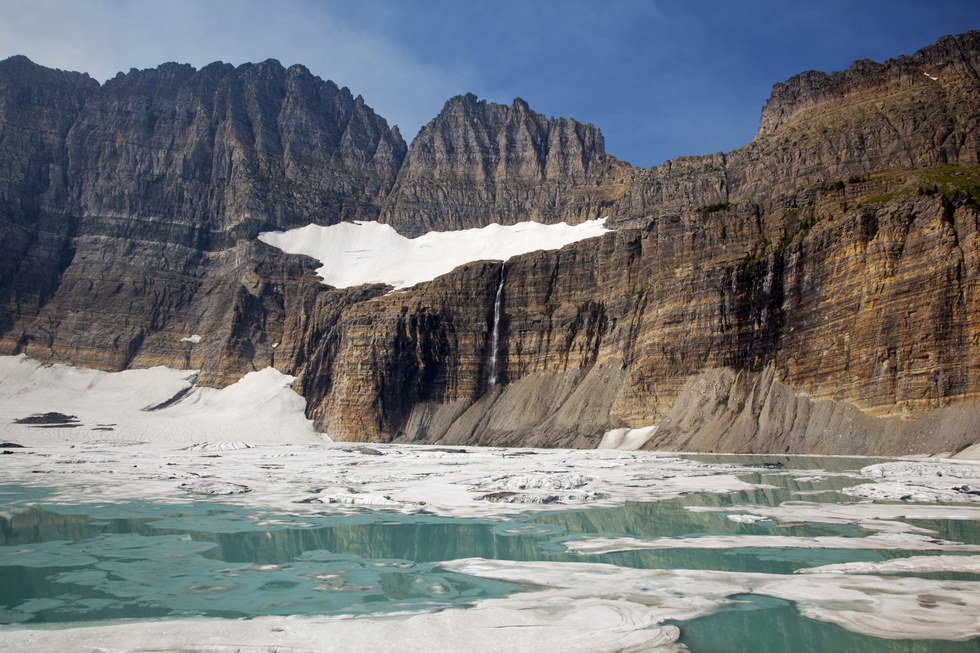
Grinnell Lake is what remains of Grinnell Glacier today, but with the ice that feeds the lake continuing to melt off, even Grinnell’s remnants are in danger.
Grinnell Glacier Crevasses
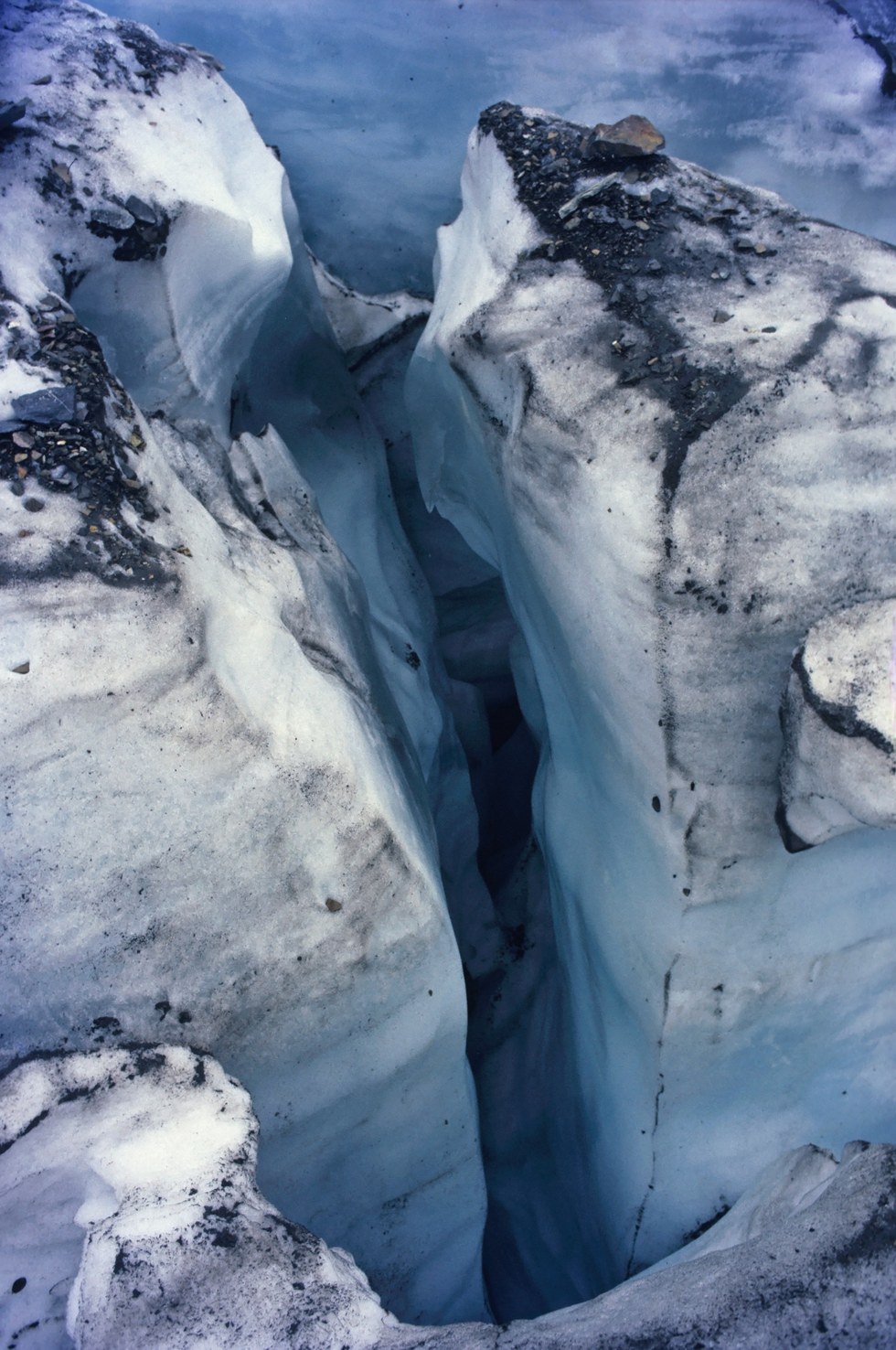
Although it can take centuries for glaciers to form, it doesn’t take very long for them to melt and retreat. As the ice begins to break down, crevasses and pools of melt-water can interact and expose more of the glacier’s surface area to air and water, causing further melting and breakup.
Sperry Glacier And Sea Level
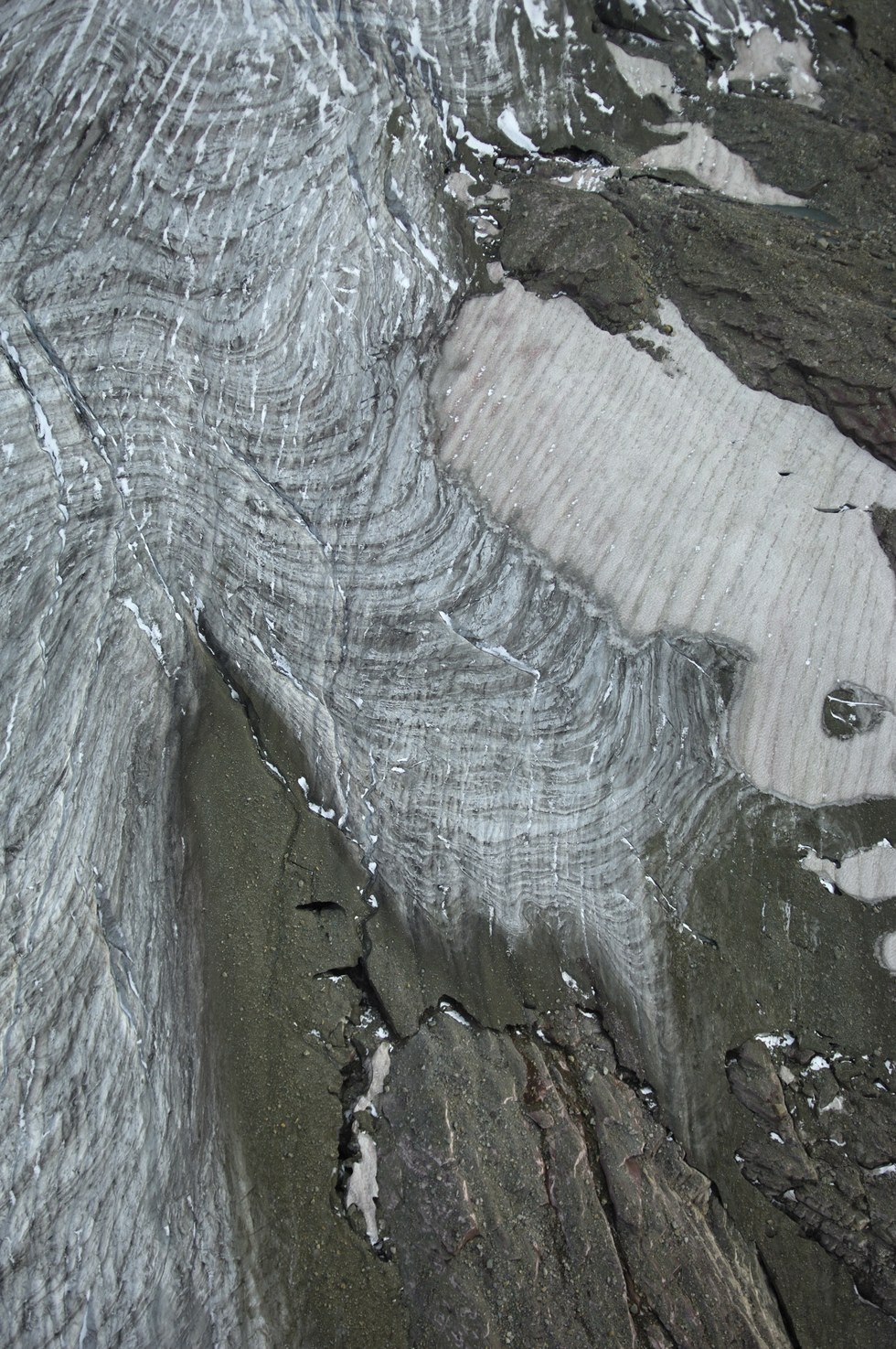
Sperry Glacier, seen from above, is one of the park’s largest glaciers, despite the fact that its surface area has retreated 75 percent since the 19th century, when it measured 930 acres. As glaciers and other surface ice continues to melt, the water eventually makes it to the ocean, contributing to sea level rise. Additionally, the freshwater melt that makes it to the ocean can push down the more dense salt water, which can affect the salinity and heat-transfer properties of ocean currents around the world.
Melting Permafrost
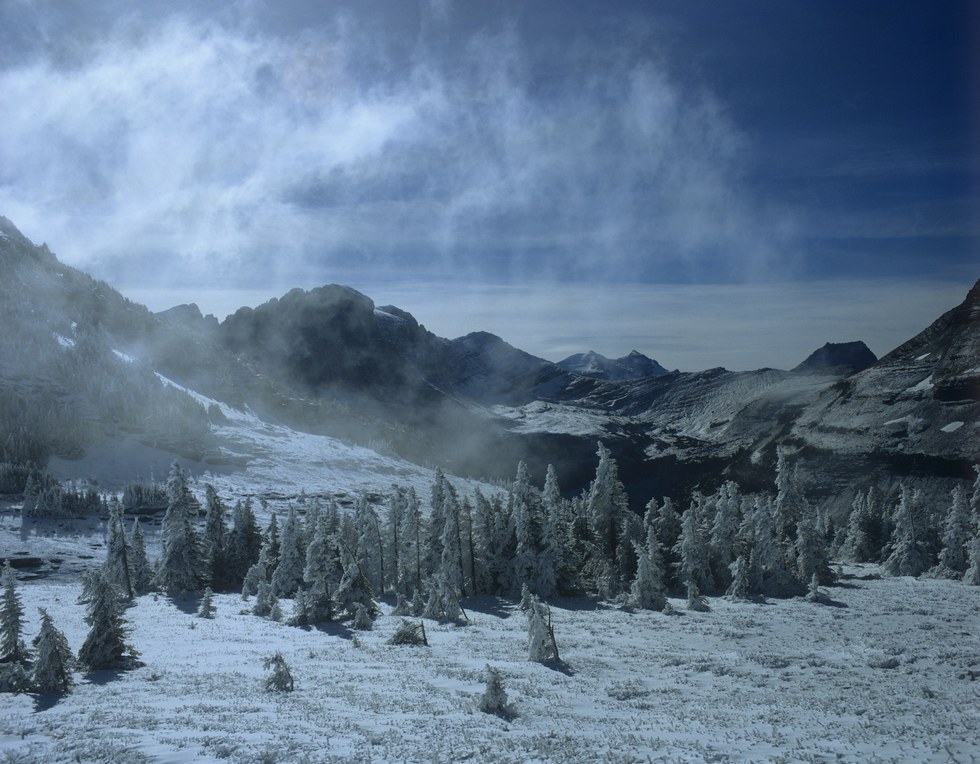
It’s not just the glaciers that are in danger in Glacier National Park, and indeed in all of the Arctic Circle. Permafrost, which is frozen water trapped in the soil, has been melting as well as temperatures rise. This contributes to melt-off of other frozen sources, and has even caused the ground to subside as much as 15 feet in certain regions as melted water gathers together. Permafrost can also contain trapped methane, a potent greenhouse gas that is released directly into the atmosphere when the frost melts, contributing further to warming.
Mountain Snow
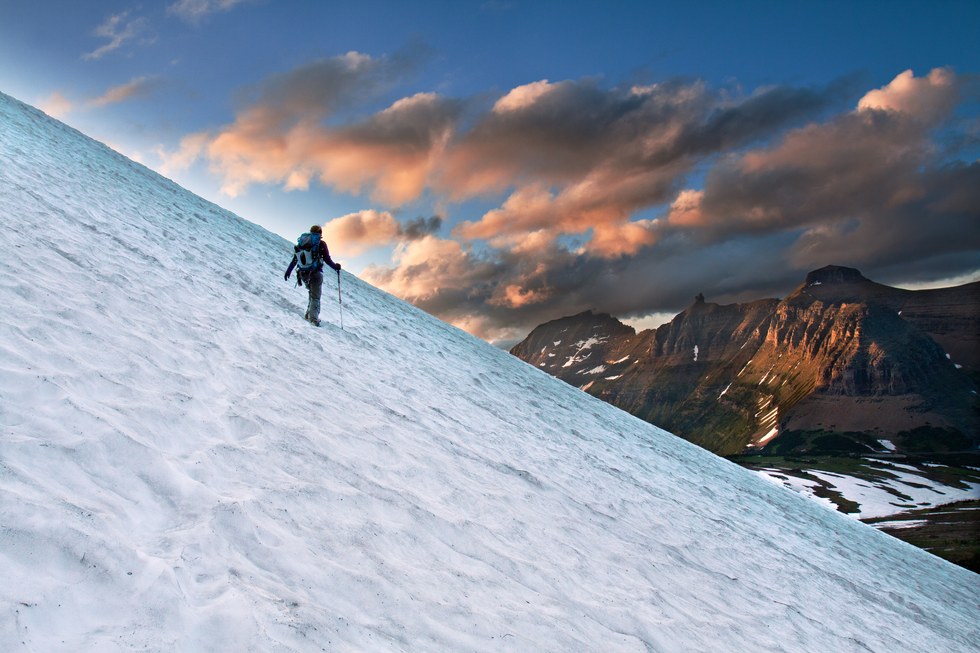
The snow covering those misty peaks may not be as common in the future. With rising temperatures, the first snows of the year start later and later, the first melts start sooner and sooner, and less snow falls overall.
Lakes And Water Reservoirs
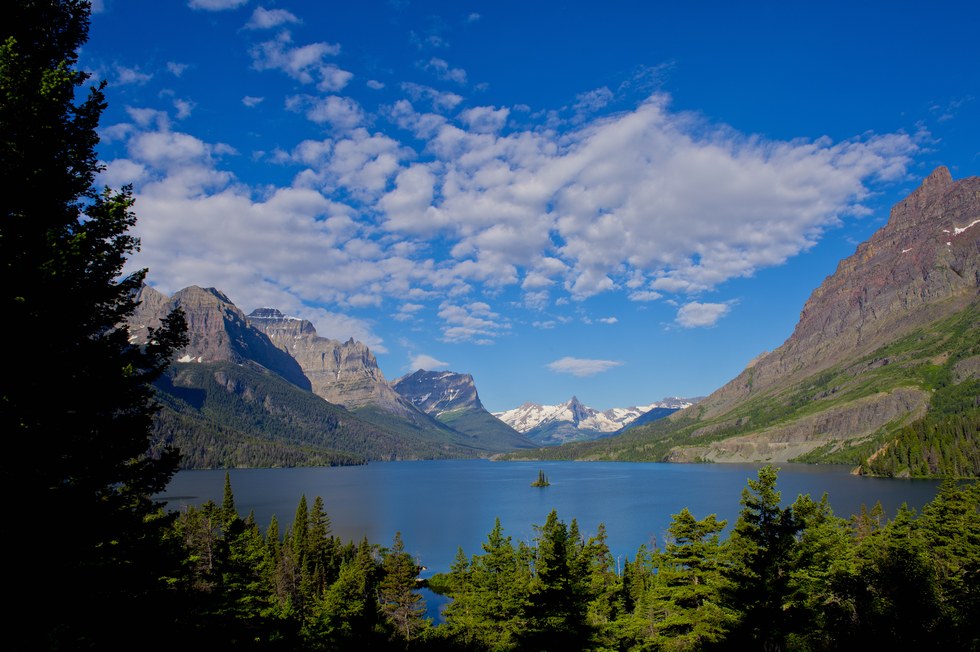
With snow seasons becoming shorter and glaciers disappearing, the lakes and natural reservoirs that are fed each year by the melt-off from their frozen sources are starting to dwindle each year. Some mountain towns and major cities rely on snow and glacier melt for up to 80 percent of their water supply. Agricultural officials in some regions worry farms may not be able meet irrigation needs, similar to what is happening now in California’s drought.
Waterfalls
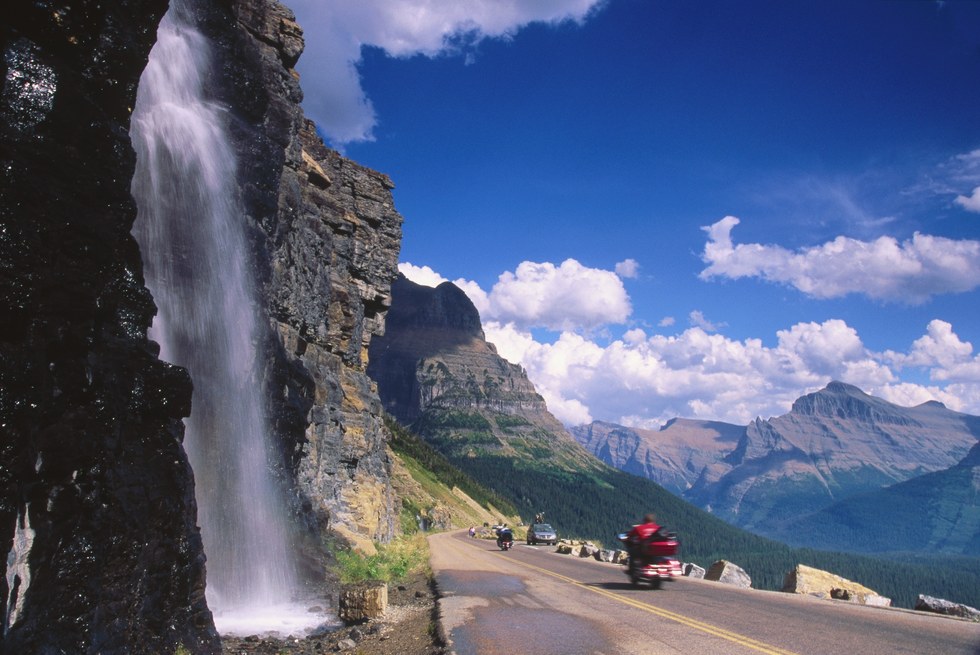
One scenic sight that is sure to disappear in the park with glaciers and snow is the waterfall. Most waterfalls are only active during the seasonal melt, but without anything to fuel the flow, most have slowed to just a trickle.
Eroding Rivers
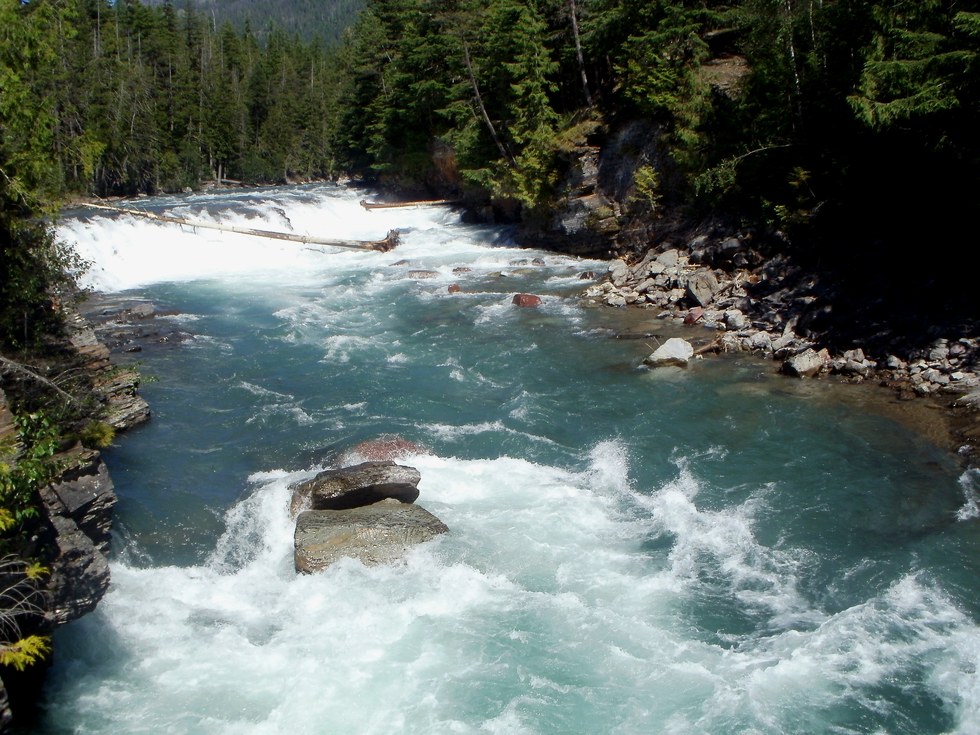
While the remaining glaciers continue to melt, some rivers have experience a temporary increase in flow levels. This can cause greater erosion than historical levels, which can damage some ecosystems.
Disappearing Fish
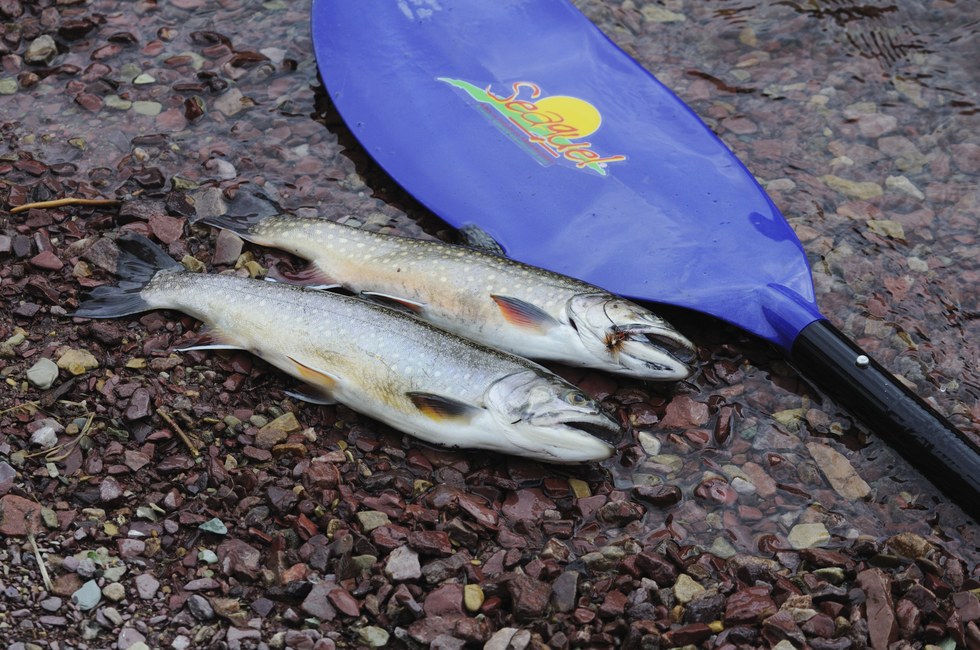
S.b. Nace/Lonely Planet/Getty ImagesWith those lakes and streams disappearing with the glaciers that feed them, so will many habitats and breeding grounds for trout and salmon. Fish cannons won’t be able to help in this case, and the changes could have a rippling effect for other species that rely on the fish for food, such as grizzly bears.

